


When loving yourself becomes more important than approval from others, it’s time for…
💙BOUNDARIES💙
Realizing that I needed boundaries meant realizing I didn’t have any and that I didn’t quite understand what they were. It has been a long and difficult pathway towards being able to create and hold boundaries for myself.
I had no idea how drastically my values would realign, and my friendships would change as I trusted myself and my healing journey to propel me towards who I am and what I need. I have been retroactively shocked over the years that so many of my then-important relationships were only one step away from complete destruction. That one step was always me asking for something I wanted or needed in the relationship (usually communication or acknowledgment).
Many people I loved and cared for were not able to engage my feelings or needs when I began to express them. I realized that I hadn’t been expressing them before and that I was surrounded by a lot of people who weren’t capable of being in emotionally nourishing, supportive, or reciprocal relationships with me. I had been accepting crumbs. Many of these boundary issues have been completely heartbreaking for me, and I know there has been a lot of pain for others as well.
Those on the other side of my boundaries have not been able to understand me, and they have also felt misunderstood and hurt. It’s a difficult balance, and we have to be mindful about placing others’ feelings above our own. An emotional plea is a common tactic for a dysfunctional person to use to avoid personal responsibility. I have seen the signs several times, and now I can recognize when a relationship is about to become toxic.
Others become uncomfortable with my awareness that I am a person of worth and value. They begin to observe that I will assert my needs and wants. This feels like a threat to a person who has become accustomed to not taking accountability for their own behavior. They start to make comments to undervalue or shame me for insisting on my self-worth.
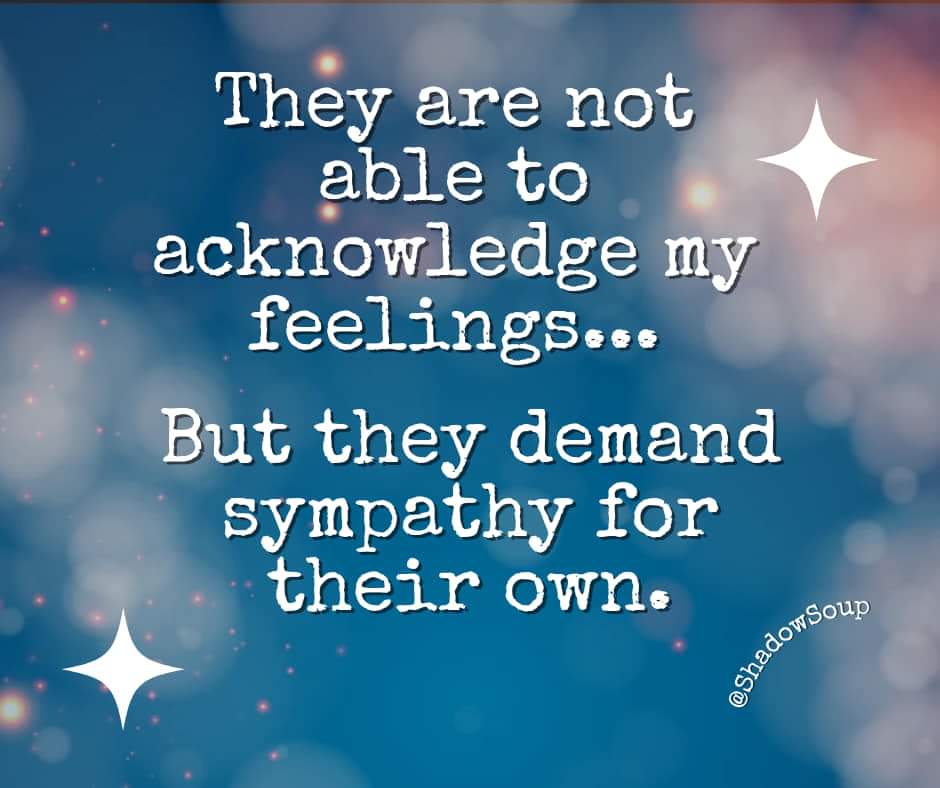
They would prefer for me to remain small and quiet. They are not able to acknowledge the importance or validity of my feelings, but they demand sympathy for their own perspective in an attempt to distract from the boundary.
Boundaries are a complex and often misunderstood subject. The word gets tossed around a lot and is subject to more than its fair share of interpretation. Now that I understand how and why so many of us view it differently, I can completely understand how things get mixed up. To put it simply, people who are wounded and unhealed see boundaries as attempts to control their behavior, thoughts, and feelings. Healing and reintegrated people who have worked a lot on their own wounds (and healthy people) see boundaries as a means to protect themselves and remain aligned with their own personal values. We can have completely opposite meanings and perceptions assigned to the entire concept based on who we are and where we’re coming from.
From the depth of my need for change, as a person who had my identity erased by abuse and neglect in childhood, I understood why boundaries would be necessary to move forward. Boundaries reflect our values and help us show others who we are. This is connected to improving confidence, self-esteem, and integrity.
Boundaries allow us to share our vulnerabilities with others while also protecting ourselves and ensuring our safety at the same time. Their ideal construction is based on what we will do if the behavior or situation doesn’t change, rather than trying to change what others are doing. For example, I might tell someone, “I don’t feel that you are listening to me. I need to feel heard and understood to feel connected to you. I won’t be able to continue sharing my thoughts with you right now.”
My communication was never that smooth when I started putting boundaries into place. It’s going to be messy when it’s something that we have never done before. It takes a lot of courage to trust our instincts about which boundaries need to be put into place, especially when we have been chronically undervalued by important people. My therapists at the beginning of my journey did not immediately rush into boundaries, but focused first on self-love, self-care, and authentic identity. This helped me see where changes needed to be made, and ignited a flicker of self-trust and intuition.
Many people with complex trauma become people pleasers who learn to keep quiet and not make waves. This creates the perfect environment for lack of boundaries to perpetuate. The conditioning that creates people pleasing characteristics also creates low self-worth and low self-esteem. We are much less able to speak up for ourselves because we inherently don’t believe we deserve to be treated well. The reaction that an unhealed person has to a boundary being put into place is almost invariably swift and negative. They will frequently try to use emotional manipulation to regain traction for themselves, though they are not addressing the other person’s needs or feelings in any way. The biggest struggle is in being willing to hold and enforce the boundaries as necessary.
It gets easier over time, and every boundary heals and strengthens as we put ourselves first.
Love is an action verb.
 Shadow Soup
Leave a comment