


You may have heard the expression, “The only way out is through.” I’ve always taken this to mean that our problems have to be processed and resolved before we’re able to heal the associated strong feelings of pain, sadness, and other difficult emotions. That’s the context in which the phrase was introduced to me. I think it also means that in order to heal trauma, we have to feel all of the strong feelings that we weren’t allowed to feel before, for whatever reasons. In healing generational trauma, a lot of mental health providers believe that cycle-breakers also have to heal the pain that was repressed by those who came before us. Their unresolved pain caused them to harm us, mostly unintentionally, because they did not heal their own childhood wounds before becoming parents (and grandparents and on down the line). Our awareness of that creates the need to face those so-called demons headfirst, because we have seen the alternative choices and the life they create. It’s a battle we fight to prevent the war for those who come after us.
For many people, having their feelings restricted or disallowed by others is a foreign idea to which it is difficult to relate. Many well-adjusted people who had lovely childhoods with lots of parental comfort aren’t fully able to understand the impact of emotional manipulation at that level, and that is a good thing. These wholesome people led lives in which they were encouraged to speak up for themselves, guided towards developing their own identity, and allowed to experience a full range of normal human emotions. This doesn’t mean that they were never mistreated or nothing bad ever happened to them. They just aren’t accustomed to a world where their caregivers didn’t provide any level of emotional support.
It’s a commonly accepted notion in child development that children need at least 30% of a caregiver’s interactions to be good, nourishing, and healthy. It seems like a relatively low number to me, which is also a good thing. A parent can be overwhelmed, exhausted, stressed, confused, irritable, aggressive, loud, impatient, and volatile for over half of a child’s life. The child can still turn out decently if they have also received some kindness, guidance, and loving interactions. Parents must of course be careful of how they treat their children, but we’re not robots. Humans are messy. Loving, protective, and caring actions can go a long way towards meeting the child’s needs for healthy emotional development, even when there are challenging factors that cause some harm to the child.
During all levels of child development, results and consequences that will affect adult life will be created. Many people who had some bad experiences but mostly good experiences will be able to process those challenges independently later in life because they have tools and resources to help themselves minimize any ongoing pain. A lot of problems can ensue when people are not able to connect their present pain/symptoms/behaviors with specific incidents or events from the past or from childhood. People are not generally trained to understand the cause and effect connections between disruptions in child development and how those are characterized in adulthood. It’s also socially acceptable to minimize bad behavior from adults when we are able to pinpoint the cause, though the awareness often does little or nothing to resolve the impact of the behavior. For example, we might see an aggressive and intoxicated person who was physically abused as a child, and excuse their present behavior because of their negative childhood experiences.
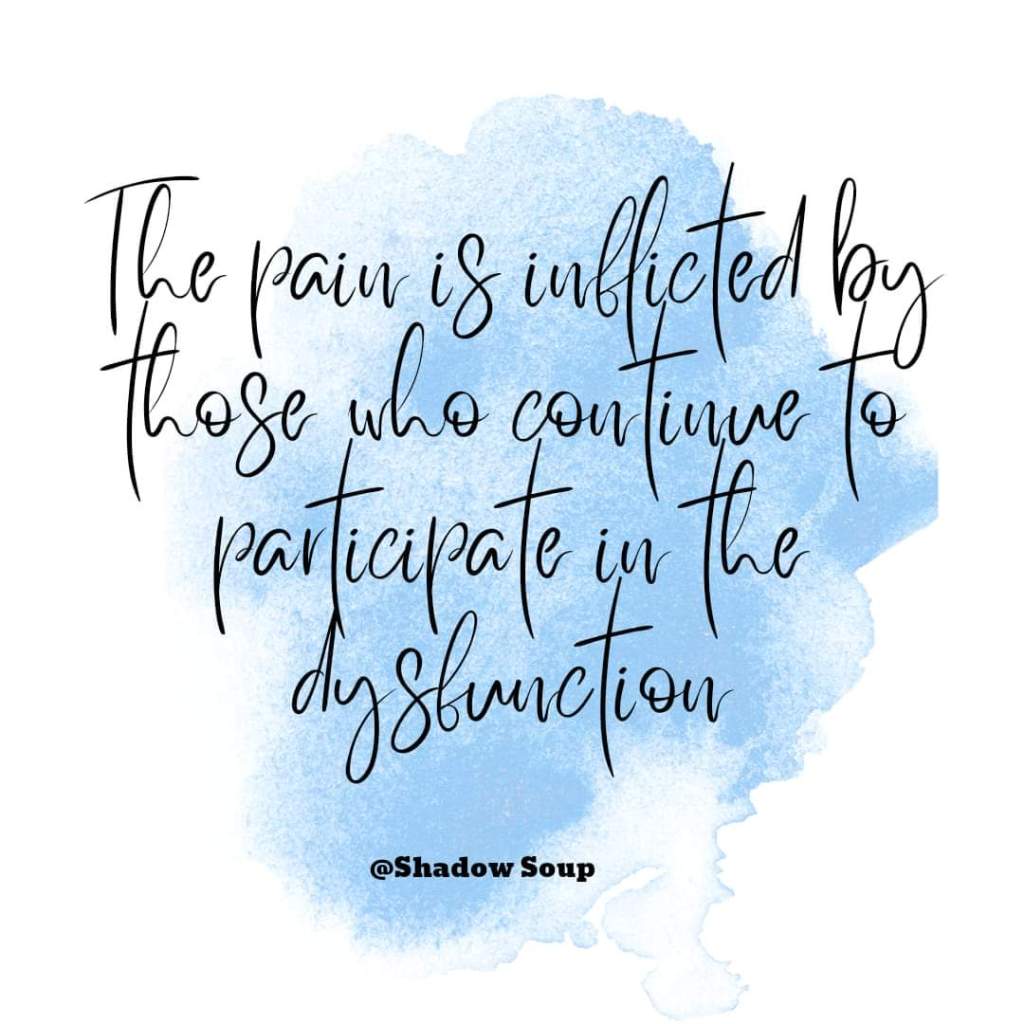
Becoming aware of how things we lacked in childhood affect our adult behaviors and emotions is a complex task. Many children who experienced severe abuse and neglect have missed multiple stages and requirements. The lack presents extensive and intricate layers of emotional problems and struggles. After 12 years of therapeutic support from health care professionals, I can definitively state that I would not have been able to understand my behaviors and work through my emotions without the help of my therapists. The brain that has been abused and under-developed does not initially understand how to guide itself towards healing, and we have to be given tools and skills that we have not encountered before. The brain wants to stay with what it knows, even when that is not actually what is best for the person. Even with appropriate and professional guidance, the work is nothing short of exhausting. It’s heavier when it’s generational and no one else is helping to do the work in the family. We experience shame, guilt, emotional attacks, and boundary issues from accusatory family members while we are trying to heal ourselves. The pain is inflicted by those who continue to participate in the dysfunction.
There are lots of ways to process and minimize disruptions that occur during adult life, but there’s no other way to accomplish healing from childhood wounds and generational trauma without taking some kind of action to heal. Our painful memories, bad examples, and negative patterns must be examined, processed, soothed, and resolved in a healthy way. I found myself in “learned helplessness” in adulthood, in a position of unmanageable amounts of pain and stress, because I was not taught how to do anything in a healthy way. Sorting through everything that needed attention required a huge amount of effort. It has been the hardest thing that I have consciously done in my life.
The only way to get out of the prison of generational abuse and neglect is to go through the extensive process of healing what we didn’t receive as children, and healing what our ancestors didn’t accept for themselves. It’s normal for this work to include feelings of anger, resentment, and frustration with those who came before us. This is why one of the most important parts of undertaking these tasks is learning self-compassion. We can understand and forgive the flaws and weaknesses of others, but we also have to consider what is best for us, and surround ourselves with loving and nourishing interactions.
The work is worth it for the freedom, hope, emotional intelligence, and self-worth that is available on the other side.
 Shadow Soup
Leave a comment