Skip to content
Menu
Close
Intro.
Write.
Create.
Shop.
family dysfunction
March 12, 2026
When I am successful at something new, or something you didn’t know about, are you happy for me? Or snarky and resentful of my success?When I set boundaries that are necessary for me, are you respectful of my needs? Or angry at the way my boundary limits you?When I have chosen to end a relationship with someone you know, do you register my choices as important to me? Or end the relationship with me because you don’t want to be in the middle?When I talk about my abusive parents and family, are you understanding of my experiences? Or arguing about the importance of keeping family ties and not making waves?Be careful of people who are not happy for you when you are happy. Be mindful of people who insist you don’t need boundaries. Be curious about people who see your problems and experiences as reflective of their own life choices rather than being able to talk about you. Be cautious with people who exert pressure on themselves to meet “your expectations” for their personal relationship choices when you have only communicated standards for your own relationships.As we proceed with making the decisions that are best for us, other people may throw some surprising red flags our way. These circumstances are often confusing and always unfortunate, but they serve to let us know important things about the people we choose to surround ourselves with. The example scenarios above are all things that I have experienced from people who have chosen to make my problems about themselves instead of taking the time to relate and connect to me. I don’t understand why, and I can’t pretend to explain it. I’m sure it’s about insecurity and unwillingness to acknowledge their own issues. They have all helped me to clearly see their priorities and capacities so that I can make informed decisions about how to value and protect myself, my energy, and my vulnerability.We have to trust that relationships sometimes come to a natural end and will be replaced with something even better for us.
March 12, 2026
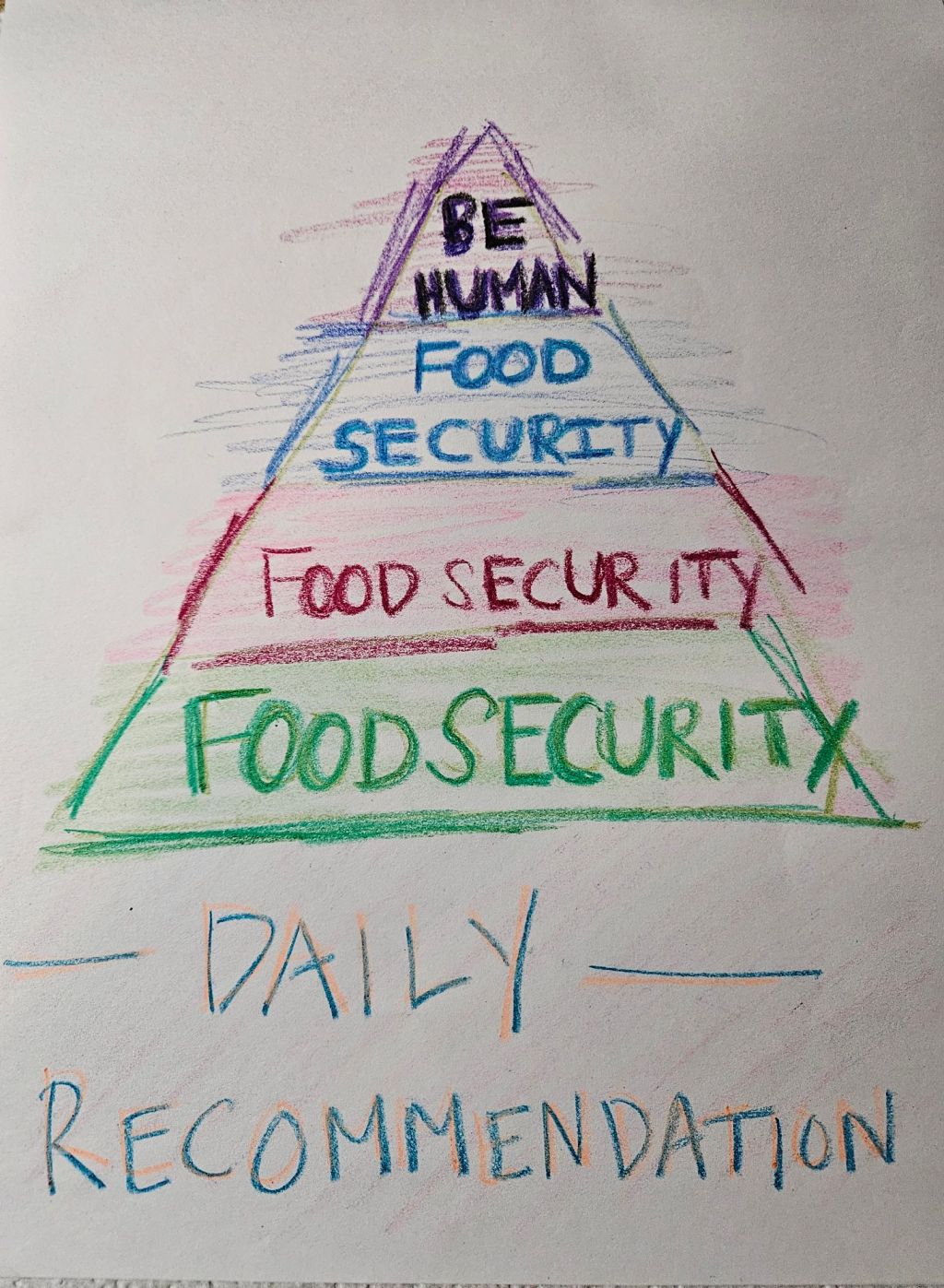
Humans Need Nourishment
March 12, 2026
The Hardest Way Out is Through
March 5, 2026
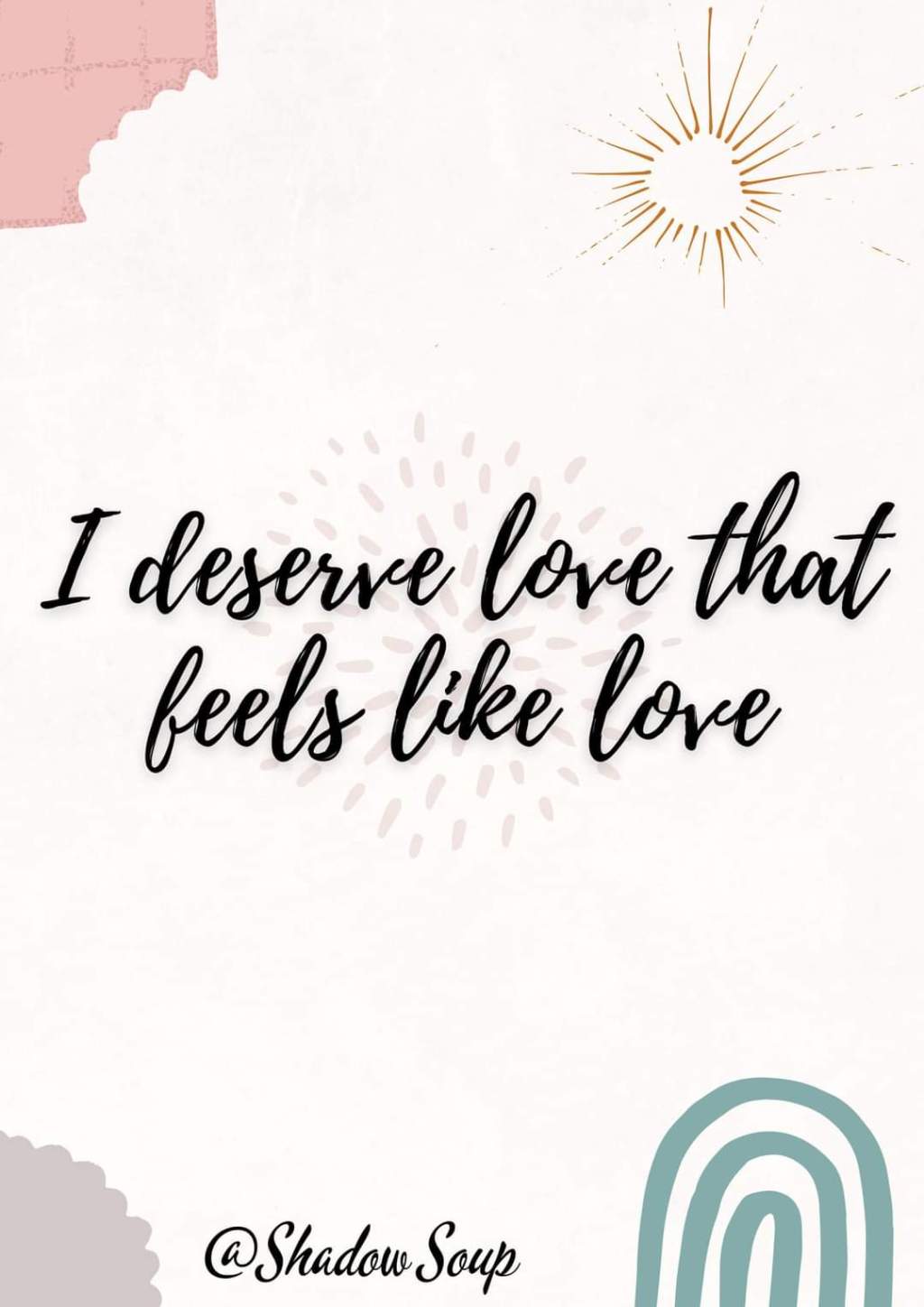
Love That Feels Like Love
March 5, 2026
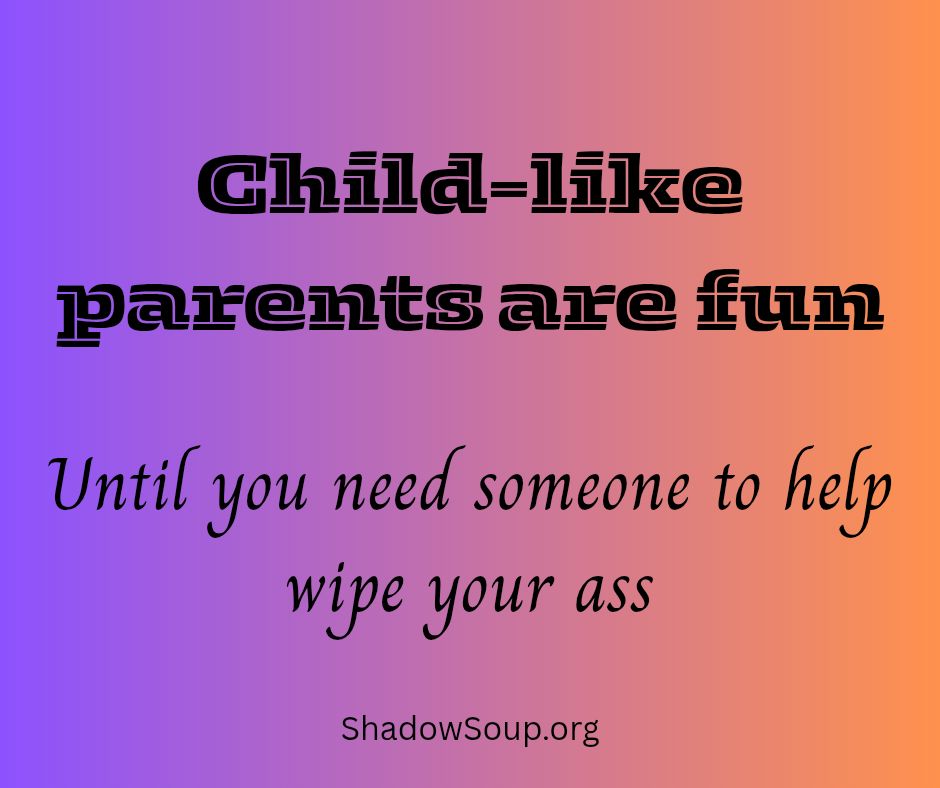
Toxic Assumptions
March 5, 2026
My Inner Child’s Sketch Pad
March 5, 2026
Sewing
December 18, 2025
Reparenting my Authentic Self
November 18, 2025
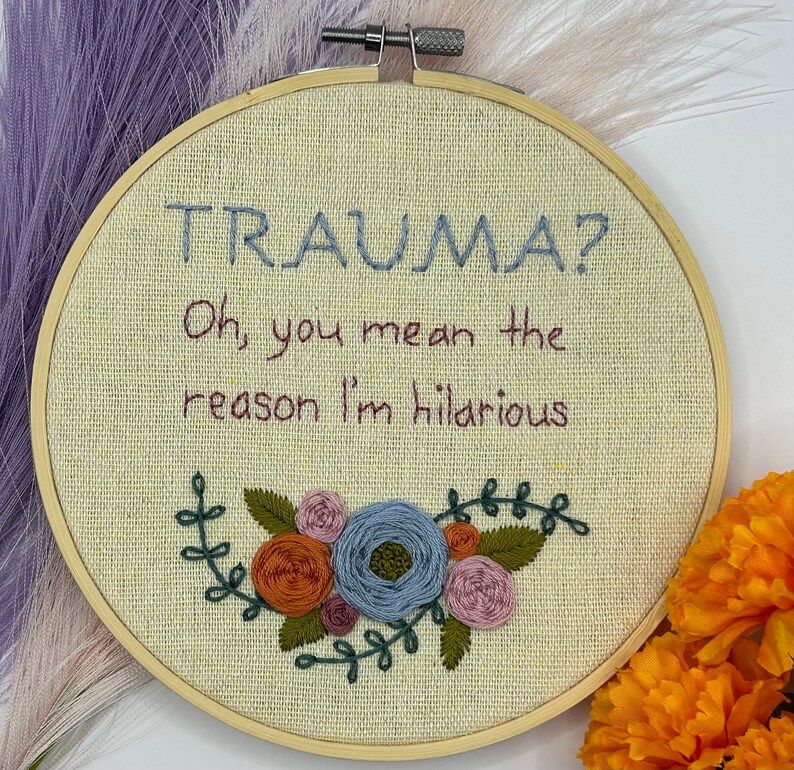
Trauma Bang Bang Part Four
October 31, 2025
Trauma Bang Bang Part Three
Next Page
→
Loading Comments...
Write a Comment...
Email (Required)
Name (Required)
Website
Subscribe
Subscribed
Shadow Soup
Sign me up
Already have a WordPress.com account?
Log in now.
Shadow Soup
Subscribe
Subscribed
Sign up
Log in
Report this content
View site in Reader
Manage subscriptions
Collapse this bar


 Shadow Soup